
Neymar’s €222m Record: Will Football’s Transfer Market Explode Again?
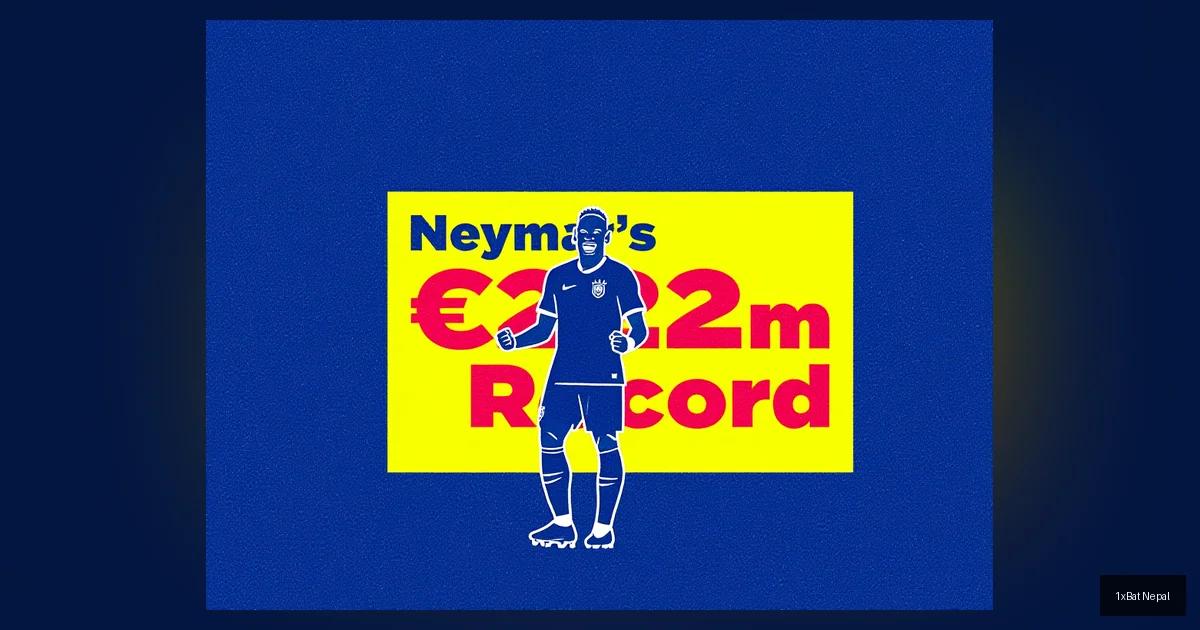
The summer of 2017 didn’t just change Paris Saint-Germain; it detonated a financial bomb that still echoes through world football. When PSG triggered Neymar’s €222 million release clause from Barcelona, they didn’t just sign a superstar—they rewrote the rules of the transfer market. In a stunning double swoop, they followed up by securing Kylian Mbappé from Monaco for €145 million, cementing their ambition and setting a new benchmark for player valuations. Seven years on, as clubs navigate post-pandemic recoveries and emerging powers like the Saudi Pro League, the question looms: is football on the brink of another seismic shift, or has the bubble finally burst?
- Record Transfer: Neymar’s €222m move from Barcelona to PSG in 2017.
- Key Follow-up: Mbappé’s €145m transfer from Monaco to PSG in 2017.
- Recent High: Enzo Fernandez’s €121m move to Chelsea in 2023.
- Market Impact: Inflated fees across Europe and beyond.
The €222m Earthquake: How Neymar Redefined Value
Before August 2017, the world record transfer fee stood at Paul Pogba’s €105 million move to Manchester United. Neymar’s transfer more than doubled that figure overnight, sending shockwaves through the sport. PSG’s acquisition wasn’t merely a purchase; it was a statement of intent from Qatar-backed owners, leveraging financial muscle to disrupt the traditional hierarchy. The ripple effect was immediate. Barcelona, reeling from Neymar’s departure, scrambled to reinvest, splurging €105 million on Ousmane Dembélé and later €120 million each on Philippe Coutinho and Antoine Griezmann. This domino effect validated a new era where nine-figure fees became normalized, not exceptional.
In Spain, Atletico Madrid broke their own record with a €126 million gamble on João Félix, while Real Madrid secured Eden Hazard for €100 million. The Premier League, buoyed by lucrative broadcasting deals, joined the frenzy, with Manchester City paying €117 million for Jack Grealish in 2021. The pandemic briefly stalled the market, but by 2023, recovery was in full swing. Chelsea’s €121 million capture of Enzo Fernández and €117 million deal for Moisés Caicedo, alongside Arsenal’s €117 million signing of Declan Rice, proved that English clubs retained their spending power. Meanwhile, Real Madrid flexed their prestige with Jude Bellingham’s €103 million arrival, and Bayern Munich ended their striker search by investing €100 million in Harry Kane.
Key Player Stats: The Financial Titans
| Player | Transfer | Fee (€m) | Year |
|---|---|---|---|
| Neymar | Barcelona to PSG | 222 | 2017 |
| Kylian Mbappé | Monaco to PSG | 145 | 2017 |
| Enzo Fernández | Benfica to Chelsea | 121 | 2023 |
| Declan Rice | West Ham to Arsenal | 117 | 2023 |
| Jude Bellingham | Dortmund to Real Madrid | 103 | 2023 |
The Saudi Pro League: A New Market Disruptor
Just as the football world adjusted to European dominance, 2023 introduced a wildcard: the Saudi Pro League. Backed by sovereign wealth, clubs like Al-Nassr and Al-Hilal entered the fray with staggering offers. Cristiano Ronaldo’s move to Al-Nassr, though a free transfer, set a precedent with a lucrative salary package. Karim Benzema followed to Al-Ittihad, and Neymar himself joined Al-Hilal for €90 million, marking a significant shift in player destinations. This influx of capital from the Middle East has created a parallel market, siphoning talent from Europe and challenging the financial hegemony of traditional leagues. While it hasn’t yet broken the transfer record, the Saudi Pro League’s aggressive recruitment strategy suggests it could soon target marquee signings that rival Neymar’s fee, especially as they aim to boost their global profile ahead of events like the 2034 World Cup.
What’s Next: The Future of Football Transfers
Looking ahead, several factors will shape the transfer landscape. Financial Fair Play regulations are tightening, potentially curbing reckless spending by European giants. The Premier League’s profitability and sustainability rules have already led to points deductions for clubs like Everton, signaling a more cautious approach. However, the allure of commercial revenue from superstar signings remains strong. Players like Erling Haaland or Vinícius Júnior could command fees approaching Neymar’s record if release clauses are met or bidding wars erupt. Additionally, the growth of women’s football and emerging markets in Asia may diversify investment. For fans tracking these developments, staying updated on football transfers is crucial, as is following major tournaments like the T20 World Cup for cricket enthusiasts seeking parallel narratives in sports economics.
Frequently Asked Questions
Why did Neymar’s transfer to PSG cost €222 million in 2017?
Neymar’s €222 million fee was triggered by a release clause in his Barcelona contract, which PSG paid outright to secure his services. This move was driven by PSG’s Qatari ownership aiming to elevate the club’s global status and compete for the Champions League, leveraging financial power to bypass negotiation barriers.
How has the Saudi Pro League impacted football transfers in 2023?
The Saudi Pro League disrupted the market in 2023 by offering high salaries and transfer fees to attract stars like Cristiano Ronaldo, Karim Benzema, and Neymar. This has created competition for European clubs, diverted player flow to the Middle East, and introduced a new financial player in global football, though it hasn’t yet broken the transfer record.
What are the top 5 most expensive football transfers of all time?
As of 2024, the top 5 are: 1) Neymar (Barcelona to PSG, €222m, 2017), 2) Kylian Mbappé (Monaco to PSG, €145m, 2017), 3) Ousmane Dembélé (Dortmund to Barcelona, €105m, 2017), 4) João Félix (Benfica to Atlético Madrid, €126m, 2019), and 5) Enzo Fernández (Benfica to Chelsea, €121m, 2023).
Will the transfer record be broken soon, and by whom?
It’s possible, given ongoing financial inflation and emerging markets like Saudi Arabia. Candidates include young talents like Erling Haaland or Vinícius Júnior, whose release clauses or market value could approach €200m+, especially if a bidding war ensues between elite clubs or new entrants like Saudi Pro League teams.
How do football transfers compare to cricket events like the T20 World Cup in market impact?
Football transfers involve direct player fees and salaries, creating immediate financial spikes, while events like the T20 World Cup drive revenue through broadcasting, sponsorships, and tourism. Both reflect sports’ commercial growth, but football’s transfer market is more player-centric, whereas cricket focuses on tournament-based economies.