
MLA Refuses IPL Tickets, Cites 2025 Stadium Stampede Deaths
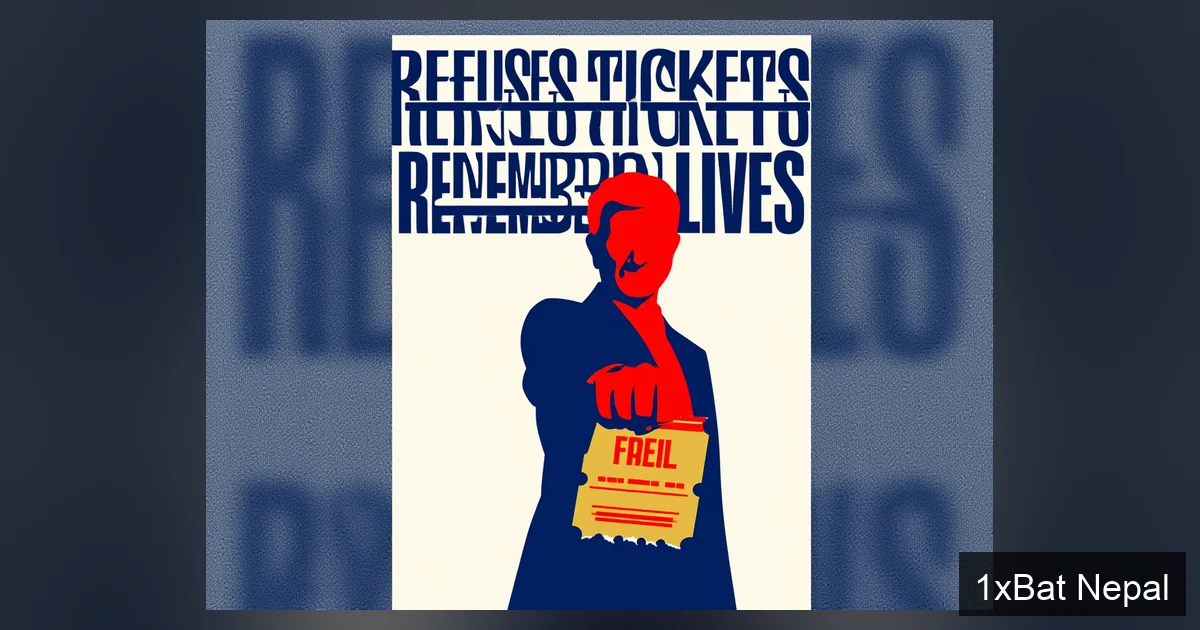
In a powerful gesture that cuts through the glitz and glamour of the Indian Premier League, a Karnataka legislator has taken a stand that resonates far beyond the boundary ropes. BJP MLA S.N. Channabasappa, popularly known as Chenni, has formally declined complimentary IPL tickets offered by the Karnataka State Cricket Association, citing the haunting memory of a stadium tragedy that claimed 11 lives. This decision, communicated directly to the Speaker of the Legislative Assembly, frames a stark ethical question at the intersection of sport, politics, and public memory.
- Event: MLA S.N. Channabasappa refuses IPL tickets from KSCA.
- Reason Cited: The 2025 stampede outside M. Chinnaswamy Stadium that killed 11 persons.
- Venue Context: M. Chinnaswamy Stadium, Bengaluru.
- Key Statement: “In the midst of the pain, for us to be seen demanding the IPL tickets in the House makes us look smaller in the eyes of the public.”
The Ethical Stand: Politics in the Shadow of Tragedy
The backdrop to this decision is the tragic stampede that occurred outside Bengaluru’s M. Chinnaswamy Stadium in 2025. Eleven cricket fans lost their lives in the chaos, a disaster that prompted widespread scrutiny of crowd management and safety protocols at major sporting venues across India. For Channabasappa, the memory remains visceral. In his letter, he stated that the “cry of 11 persons who lost their lives… is still ringing in his ears.” This isn’t merely a symbolic refusal; it’s a pointed commentary on the responsibilities of public figures in the wake of collective trauma. The IPL, while a colossal economic and entertainment juggernaut, operates in stadiums that are public spaces first. When safety failures lead to loss of life, the relationship between the game’s administrators and its spectators is irrevocably altered.
Key Player Stats: The IPL’s Bengaluru Context
| Aspect | Detail |
|---|---|
| Stadium | M. Chinnaswamy Stadium, Bengaluru |
| Home IPL Franchise | Royal Challengers Bengaluru (RCB) |
| Stadium Capacity | Approximately 40,000 |
| 2025 Stampede Fatalities | 11 persons |
| Governing Body | Karnataka State Cricket Association (KSCA) |
A Broader Political Scorecard
Channabasappa’s move is not an isolated incident but part of a larger, often contentious, dialogue about the relationship between cricket administrators and political figures in India. The offering of complimentary tickets to legislators and dignitaries is a long-standing practice, seen as a gesture of goodwill and a means to foster support. However, in the aftermath of a tragedy, such gestures can be perceived as tone-deaf. The MLA’s statement—”makes us look smaller in the eyes of the public”—highlights a keen awareness of public perception and the need for elected representatives to align their actions with communal grief and accountability. This incident raises pertinent questions about how sports bodies like the KSCA and the Board of Control for Cricket in India (BCCI) engage with stakeholders beyond the commercial sphere, especially when addressing legacy issues of safety and trust.
The Ripple Effect on Fan Engagement
For the thousands who flock to Chinnaswamy Stadium, the 2025 stampede is a somber chapter in the venue’s storied history. The MLA’s refusal subtly shifts the narrative from spectacle to solidarity. It acknowledges that the stadium is more than a venue for entertainment; it’s a site of collective memory, both joyous and tragic. This act may resonate with fans who have long called for improved safety measures and more transparent governance from cricket associations. As the Royal Challengers Bengaluru continue to chase their elusive IPL title, the conversation around the stadium’s safety and the ethical responsibilities of all involved parties remains critically relevant.
What’s Next: The IPL’s Governance Crossroads
The upcoming IPL season will be a litmus test for how cricket administrators balance commercial imperatives with civic responsibility. Channabasappa’s letter is a reminder that the league’s success is inextricably linked to the trust and safety of its spectators. Moving forward, we can expect increased scrutiny on crowd management protocols at all IPL venues, not just Chinnaswamy. The KSCA and other state associations may need to reevaluate their engagement strategies with political entities, ensuring that gestures like ticket offerings are contextualized within broader commitments to fan welfare. Furthermore, this incident could catalyze discussions in legislative assemblies about formalizing safety standards for sporting events, potentially influencing policy beyond cricket. As the T20 World Cup cycle continues to globalize the sport, India’s domestic handling of such issues will be watched closely.
Frequently Asked Questions
Why did MLA S.N. Channabasappa refuse the IPL tickets?
MLA S.N. Channabasappa refused the IPL tickets offered by the Karnataka State Cricket Association as a principled stand in memory of the 11 persons who died in the 2025 stampede outside M. Chinnaswamy Stadium. He stated that accepting tickets amidst this tragedy would diminish public trust in elected representatives.
What happened in the 2025 Chinnaswamy Stadium stampede?
In 2025, a stampede occurred outside M. Chinnaswamy Stadium in Bengaluru, resulting in the deaths of 11 cricket fans. The incident prompted investigations into crowd control and safety measures, casting a long shadow over the stadium’s operations and the broader IPL ecosystem.
How has the KSCA responded to the ticket refusal?
As of this report, the Karnataka State Cricket Association has not issued a public response to MLA Channabasappa’s refusal. The offer of complimentary tickets is a common practice, and this refusal may lead to internal reviews of engagement protocols with political figures.
What safety changes have been implemented since the 2025 stampede?
Following the 2025 stampede, authorities and the KSCA likely undertook reviews of crowd management strategies, though specific, publicly detailed changes vary. Incidents like this often lead to enhanced entry-exit procedures, increased security personnel, and better infrastructure, but continuous assessment is crucial for Indian cricket venues.
Could this refusal impact future IPL ticket policies?
While one refusal may not overhaul policies, it highlights ethical considerations that could influence how cricket associations interact with dignitaries. If more public figures take similar stands, it may pressure bodies like the KSCA and BCCI to align ticket distributions with broader safety and accountability narratives.