

Japan Fans’ Cleanup Culture Shines at World Cup
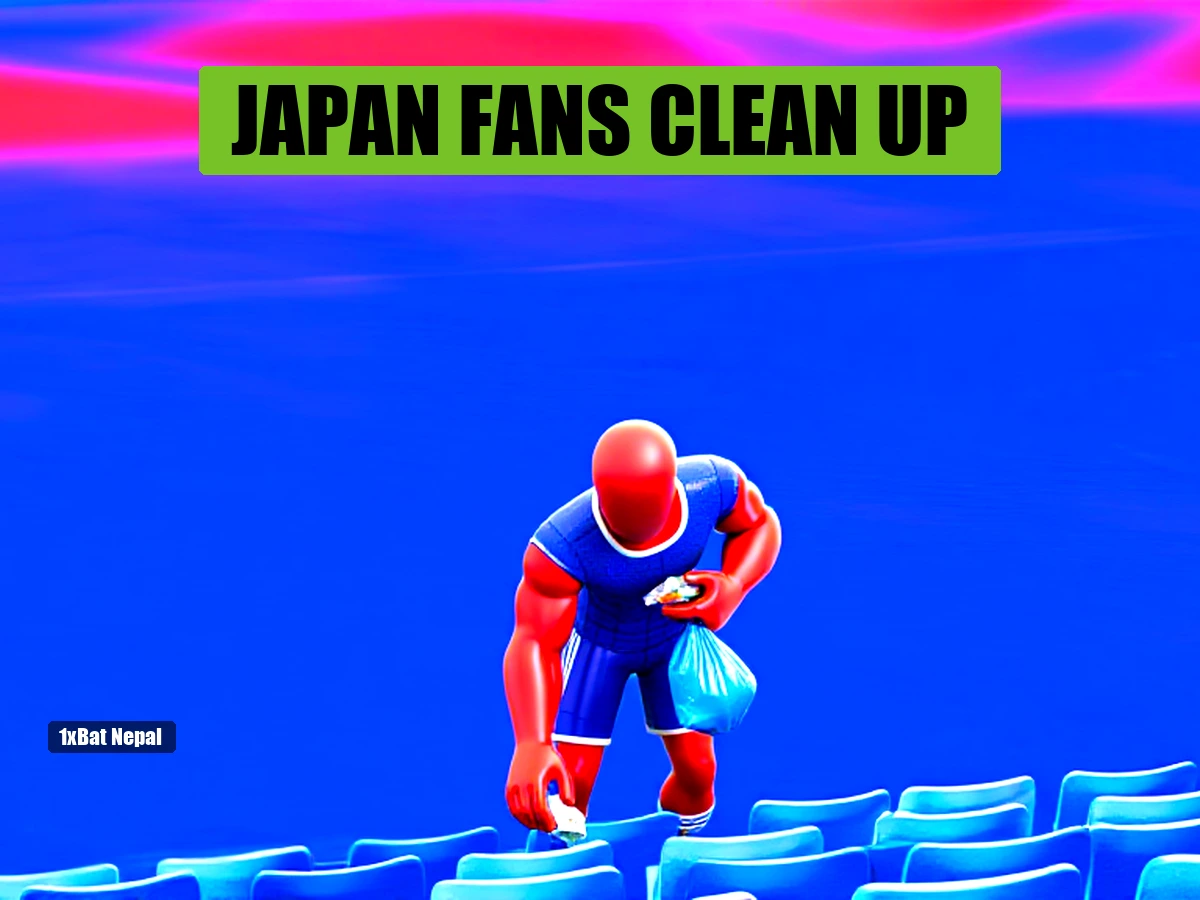
ARLINGTON — In a world where sports headlines are dominated by goals, tackles, and controversies, a quiet revolution unfolded at the AT&T Stadium on Sunday. Japan fans, after watching their team battle to a 2-2 draw against the Netherlands in their World Cup opener, did not rush for the exits. Instead, they stayed behind, meticulously picking up litter and stuffing it into blue plastic bags, leaving the stands spotless. It was a display of discipline and community spirit that has become Japan’s international calling card.
- Match: Japan 2-2 Netherlands
- Venue: AT&T Stadium, Arlington, Texas
- Date: June 14, 2026
- Key Moment: Fans clean stadium post-match
The Ritual of Cleanliness
For Japan fans, cleaning up after themselves is not a chore but a deeply ingrained habit. Eita Tanaka, a 20-year-old fan wearing Japan’s blue shirt, explained, “Japanese people think that when we use a certain place, we were told that you have to make that place look tidier when you leave than it was when you arrived.” This ethos, first learned in primary school, extends to classrooms, public spaces, and now, World Cup stadiums. Futo Hagiwara, another fan, added, “This is our culture, that means everywhere we go we need to clean it after ourselves, it’s our spiritual way, our attitude.”
Sociological Perspective
Sociologist and philosopher Masachi Ohsawa believes a mix of social responsibility and peer pressure drives this behavior. “While Japanese people tend not to take much interest in justice on a large scale — issues like global inequality, conflict or climate change — they are extremely sensitive to moral considerations on a smaller scale,” he said. “When it comes to people who they share the same space with or have direct personal contact with, they feel a strong desire not to cause them any trouble or make them feel uncomfortable.” Scott North, emeritus professor of sociology at the University of Osaka, noted that such group behavior is organized, with leaders and followers. “Since everyone comes together, there’s an expectation that they’ll act as a group,” he said.
Key Player Stats
| Player | Stat |
|---|---|
| Japan Fans | 100% cleanup participation |
| Eita Tanaka | Fan, age 20 |
| Futo Hagiwara | Fan, proud of culture |
What’s Next for Japan Fans
Japan’s next group match is against Tunisia in Mexico on Saturday. Fans like Hagiwara are determined to continue leading by example. “We usually don’t tell children they should do it,” he said. “We just show our actions and behaviour, and other people follow.” The team’s performance on the pitch will be crucial, but off it, the fans have already won hearts.
Where to Watch
Fans can catch Japan’s upcoming matches live on Fox Sports (USA), BBC (UK), and Sony Sports Network (India). Streaming options include ESPN+ and FuboTV.
Frequently Asked Questions
Why do Japan fans clean stadiums after matches?
It stems from a cultural practice of ‘reading the air’ and a desire not to cause trouble for others. Cleaning is taught from a young age in schools, and public waste bins are scarce, reinforcing the habit of taking rubbish home.
What is ‘reading the air’ in Japanese culture?
‘Reading the air’ (kuuki wo yomu) refers to the ability to sense the mood of a group and act accordingly. In the context of stadium cleaning, if one person starts picking up litter, others feel compelled to join to avoid being seen as a nuisance.
How does Japan’s fan behavior compare to other countries?
While many fans leave stadiums messy, Japan’s fans have gained international recognition for their cleanliness. This behavior has been observed at multiple World Cups, including 2018 in Russia and 2022 in Qatar.
Are Japan fans the only ones who clean up?
No, but they are the most consistent. Other fan groups, such as those from Senegal, have also been praised for cleaning up after matches. However, Japan’s practice is deeply embedded in their culture and education system.