
Hugo Ekitike’s Achilles Rupture: World Cup Dream Shattered
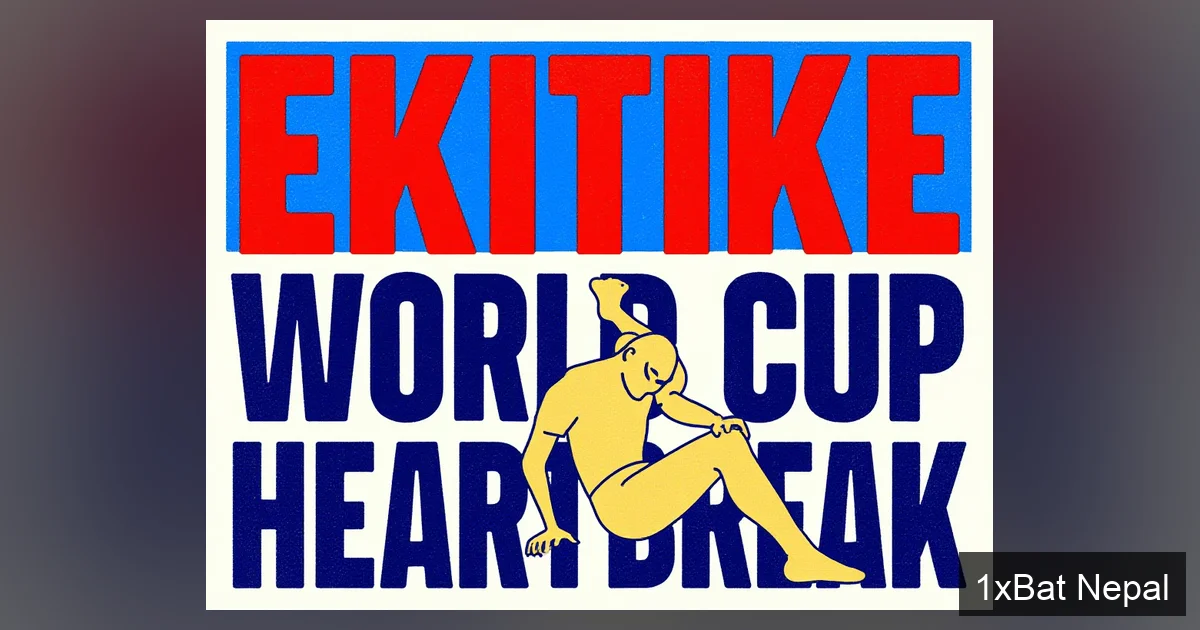
The cruel, unforgiving nature of elite football was on full, heartbreaking display at Anfield on Saturday. In a moment that silenced the famous Kop, French forward Hugo Ekitike collapsed to the turf, clutching his lower leg in agony. The subsequent diagnosis—a ruptured Achilles tendon—has not only ended his season with Liverpool but has brutally torn his ticket to the 2026 FIFA World Cup from his grasp. For France manager Didier Deschamps and Liverpool boss Arne Slot, the news is a devastating blow to meticulously laid plans, casting a long shadow over their respective campaigns.
- Result: Liverpool vs Brazil (Friendly)
- Venue: Anfield, Liverpool
- Date: Recent International Break
- Key Incident: Hugo Ekitike sustains ruptured Achilles tendon.
The Moment That Changed Everything
The match was a high-profile friendly, a final tune-up for many international stars before the summer’s major tournaments. Ekitike, Liverpool’s dynamic 23-year-old forward, was in the thick of the action, his pace and direct running causing problems for the Brazilian defense. Then, with no opposing player near him, he pulled up sharply, his hand immediately shooting to the back of his ankle. The grimace on his face told the story before the medical staff had even reached his side. The stadium fell into a concerned hush as he was carefully stretchered off, his World Cup dream visibly crumbling in real time.
Official Confirmation and Managerial Reaction
Post-match, the feared prognosis was confirmed. “It looks really bad,” a somber Arne Slot told reporters, his tone reflecting the severity of the situation for his club’s attacking plans. The timeline for an Achilles rupture is notoriously long, typically spanning 6-9 months, effectively writing off Ekitike’s participation for the remainder of the club season and the entire World Cup tournament.
The ripple effect was immediate on the international stage. French Football Federation (FFF) released a statement from Didier Deschamps confirming Ekitike’s withdrawal from the national team squad. “We are all with Hugo at this difficult time,” Deschamps said, acknowledging the significant void left in his attacking options. Ekitike had been viewed as a crucial rotational piece and potential impact substitute for Les Bleus, offering a different profile to the established stars. His absence forces a major tactical rethink for France’s World Cup campaign in North America.
Key Player Stats: Hugo Ekitike
| Statistic | Career (Club & Country) |
|---|---|
| Position | Forward |
| Age | 23 |
| 2023/24 Club Apps (Liverpool) | 28 |
| 2023/24 Club Goals | 9 |
| International Caps (France) | 12 |
| International Goals | 3 |
| Estimated Recovery Timeline | 6-9 Months (Out for World Cup & Season) |
Impact on France’s World Cup Hopes
For France, a nation with immense depth but also specific tactical needs, Ekitike’s injury is more than just losing a squad player. He represented a specific weapon: raw pace, vertical threat, and the ability to stretch defenses in the latter stages of games. In a tournament setting where squad rotation and impact substitutions are paramount, his loss is acutely felt. Deschamps must now look to other options like Randal Kolo Muani or a reshuffle of his existing star attackers, potentially altering the dynamic of the entire French national team setup. The pressure on Kylian Mbappé and Antoine Griezmann to carry the creative and goalscoring burden just increased significantly.
Liverpool’s Season Without Ekitike
At the club level, Arne Slot faces his first major adversity at the Liverpool helm. Ekitike had grown into an important role, offering a direct alternative to the more intricate play of Mohamed Salah or the hold-up play of Darwin Núñez. His absence leaves a hole in Liverpool’s forward rotation as they compete on multiple fronts in the Premier League and Europe. It may accelerate the club’s plans in the transfer market or force Slot to reconfigure his attacking patterns, placing greater responsibility on the likes of Cody Gakpo and Diogo Jota to stay fit and productive.
What’s Next: The Road to Recovery
The immediate focus shifts from the pitch to the treatment room. Ekitike will undergo surgery followed by a long and arduous rehabilitation process. The psychological challenge of missing a World Cup—the pinnacle of a footballer’s career—is as daunting as the physical one. For France, the scramble to finalize a 26-man squad without him begins in earnest. For Liverpool, the task is to support their player while adapting their tactics for the crucial final months of the season. All eyes will now turn to Deschamps’ next squad announcement and how Slot redistributes minutes among his remaining forwards in the coming fixtures.
Frequently Asked Questions
How long will Hugo Ekitike be out with his Achilles injury?
Hugo Ekitike is expected to be sidelined for 6 to 9 months following surgery for a ruptured Achilles tendon. This timeline definitively rules him out of the 2026 FIFA World Cup (June 11-July 19) and the remainder of Liverpool’s 2023/24 club season.
Who will replace Hugo Ekitike in the France World Cup squad?
France manager Didier Deschamps has several options, though none offer an identical profile. Randal Kolo Muani is the most like-for-like candidate in terms of position. Deschamps could also choose to call up an additional midfielder or defender and redistribute attacking minutes among his existing stars like Kylian Mbappé, Antoine Griezmann, and Ousmane Dembélé.
What does Ekitike’s injury mean for Liverpool’s Premier League title chances?
It represents a significant setback. Ekitike provided valuable depth, pace, and goals from the bench. His absence reduces manager Arne Slot’s options for rotation and in-game changes, placing more pressure on Liverpool’s other forwards to maintain fitness and form during the demanding run-in.
Has a player ever come back from an Achilles rupture to play in a World Cup the same year?
It is exceptionally rare due to the standard recovery timeline. Most high-profile examples, like former basketball star Kobe Bryant, took nearly a full year to return to elite sport. In football, it effectively guarantees missing the next major tournament if it occurs in the months leading up to it.
What is the typical success rate for returning to elite football after an Achilles rupture?
Modern surgical and rehab techniques have improved outcomes significantly. Most elite athletes return to play, but studies suggest it can take up to two years to regain pre-injury levels of performance, with some never quite recovering their explosive pace—a critical attribute for a forward like Ekitike.