

Ponting Reveals India’s Secret Weapon: IPL Depth Drives T20 Dominance
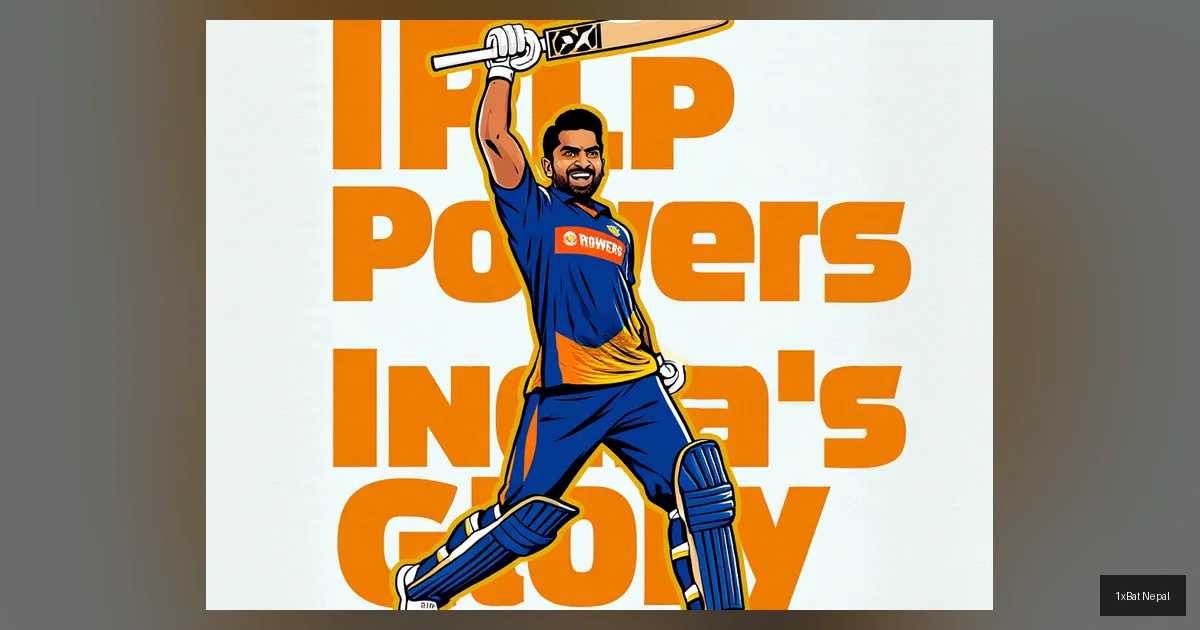
The confetti has settled, the trophy lifted, and the celebrations echoed across continents, but the echoes of India’s commanding T20 World Cup triumph still reverberate through the cricketing world. While fans marvel at the fireworks of Virat Kohli’s resurgence or Jasprit Bumrah’s unplayable yorkers, a deeper, more systemic engine has been powering this juggernaut—one that a legendary rival captain has now spotlighted as the true cornerstone of their dominance. In a revealing analysis, former Australia skipper Ricky Ponting has peeled back the layers of India’s white-ball supremacy, pointing not to individual brilliance alone, but to an often-overlooked foundation: the unparalleled depth and structural might forged in the crucible of the Indian Premier League.
- Result: India crowned T20 World Cup champions
- Key Factor: IPL-driven player development and squad depth
- Expert Insight: Ricky Ponting highlights systemic advantages
- Context: Sustained white-ball success in ICC events
The Ponting Perspective: Decoding India’s Winning Blueprint
Ricky Ponting, a three-time World Cup winner whose tactical acumen is revered globally, has dissected India’s recent campaign with the precision of a master analyst. He describes the current Indian white-ball setup as “one of the strongest T20 sides” in history, a sentiment backed by cold, hard results. Over the past five to six years, India’s record in ICC limited-overs events has been nothing short of extraordinary, culminating in back-to-back World Cup triumphs that have solidified their status as the benchmark in modern cricket. Ponting emphasizes that this isn’t merely about a talented starting XI; it’s about a holistic system where every cog, from the marquee stars to the fringe players, operates with a seamless, high-pressure readiness. This depth, he argues, is frequently underestimated in post-match analyses that focus on flashy moments rather than the grinding machinery behind them.
Key Player Stats: The Pillars of India’s T20 World Cup Campaign
| Player | Role | Tournament Stats | Career T20I Figures |
|---|---|---|---|
| Virat Kohli | Batter | 319 runs @ 64.80 avg | 4,037 runs @ 52.04 avg |
| Jasprit Bumrah | Bowler | 15 wickets @ 8.26 econ | 97 wickets @ 6.55 econ |
| Hardik Pandya | All-rounder | 144 runs, 11 wickets | 1,348 runs, 73 wickets |
| Rohit Sharma | Captain/Batter | 257 runs @ 36.71 avg | 4,165 runs @ 31.79 avg |
The IPL Effect: Cricket’s Ultimate Pressure Cooker
At the heart of Ponting’s analysis lies the Indian Premier League, a tournament he knows intimately from his coaching stints. He notes that the IPL has played a “massive role” in sculpting Indian players into battle-hardened warriors, providing exposure to high-stakes scenarios that mirror, and often exceed, the intensity of international fixtures. “The IPL games are every bit as big as international games anyway,” Ponting observes, highlighting how this domestic behemoth serves as a continuous training ground for global competitions. This environment breeds a unique breed of cricketer: one who enters an ICC event like the T20 World Cup not as a novice, but as a veteran of countless crunch moments, from last-over chases to must-win eliminators. The result is a squad that arrives “well primed with great balance,” where even reserve players possess the composure and skill to step up seamlessly—a luxury few other nations can boast.
Beyond the Scorecard: Consistency and Structure
Ponting underscores that India’s success stems from a trifecta of depth, consistency, and a robust domestic structure. While individual performances grab headlines, it’s the relentless consistency across tournaments—a byproduct of this system—that has enabled India to dominate white-ball cricket. The bench strength means that injuries or form slumps don’t derail campaigns; instead, they unveil new heroes, as seen in the emergence of younger talents during the World Cup. This structural advantage, Ponting suggests, is the “real reason” behind India’s sustained dominance, even if it flies under the radar amid the roar of sixes and wickets. For fans tracking live cricket updates, this insight reframes how we view team dynamics, shifting focus from momentary flashes to enduring frameworks.
What’s Next: The Road Ahead for India and Global Cricket
With the T20 World Cup secured, India’s gaze now turns to future challenges, including bilateral series and the next ICC cycle. Ponting’s observations hint at a broader trend: as the IPL continues to evolve, its influence on international cricket will only deepen, potentially widening the gap between India and rivals who lack similar domestic ecosystems. For other nations, the lesson is clear—investing in competitive, high-pressure domestic leagues is no longer optional but essential to keep pace. Meanwhile, India’s focus will be on maintaining this edge, integrating fresh talent while leveraging their experienced core. As the cricketing calendar heats up with events like the India vs Pakistan rivalry and other marquee clashes, this structural foundation will be tested anew, offering a real-time laboratory for Ponting’s thesis.
Frequently Asked Questions
Why did Ricky Ponting praise India’s T20 World Cup win?
Ricky Ponting praised India’s T20 World Cup victory by highlighting their systemic strengths, including unparalleled depth, consistency, and the transformative role of the IPL in preparing players for high-pressure international cricket, rather than just individual performances.
How has the IPL impacted India’s white-ball success?
The IPL has impacted India’s white-ball success by serving as a high-intensity training ground, exposing players to pressure situations akin to international matches. This experience builds composure and skill, enabling seamless transitions to global tournaments like the T20 World Cup.
What are India’s key stats from the T20 World Cup?
India’s key stats from the T20 World Cup include Virat Kohli’s 319 runs at an average of 64.80, Jasprit Bumrah’s 15 wickets with an economy of 8.26, and overall team consistency that led to an undefeated run in the knockout stages, showcasing their balanced squad depth.
Can other cricket nations replicate India’s IPL-driven model?
Other cricket nations can attempt to replicate India’s IPL-driven model by developing robust domestic T20 leagues that offer high-pressure exposure, but challenges include financial scale, player pool depth, and existing structural differences, making exact replication difficult in the short term.
What’s next for India after the T20 World Cup triumph?
After the T20 World Cup triumph, India’s next steps include focusing on bilateral series, integrating emerging talents, and preparing for upcoming ICC events, with an emphasis on sustaining their structural advantages and leveraging IPL continuity for future success.